
If you are nervous about italy ztl zones, you are not overreacting. For many travelers, the most stressful part of driving in Italy is not the autostrada, roundabouts, or parking—it is accidentally crossing into a restricted historic center and receiving a fine long after the vacation is over.
The good news: with a little planning, most ZTL mistakes are avoidable. This guide explains how italy ztl zones work in 2026, what signs to watch for, why rental cars need extra caution, and how to plan your route before entering popular cities like Rome, Florence, Milan, Pisa, and Venice.
Free cancellation on most bookings · No hidden fees
What Are Italy ZTL Zones?
Italy ztl zones are restricted traffic areas, usually found in historic city centers. They are designed to limit vehicle access in places where narrow streets, pedestrians, residents, buses, taxis, and heritage buildings all compete for space.
For visitors, the key point is simple: a ZTL is not just a “busy road” or a “parking zone.” It is a legally controlled area where only authorized vehicles may enter during certain days and times.
ZTL meaning in Italian: Zona a Traffico Limitato
ZTL stands for Zona a Traffico Limitato, which means Limited Traffic Zone. If you are wondering “what is ZTL in Italy,” think of it as a restricted access area where the city decides who can drive in and when.
A limited traffic zone Italy setup may allow residents, taxis, buses, emergency vehicles, delivery vehicles during certain windows, and hotel guests with pre-approved access. Ordinary tourist rental cars are usually not allowed unless you have specific authorization.
The most important thing to remember about italy ztl zones is that the rules are local. They can vary by city, street, day, time, season, vehicle type, and even special event schedules.
Why ZTLs exist in historic city centers
Italian old towns were not built for modern traffic. Many historic streets are narrow, crowded, and filled with pedestrians, restaurant terraces, churches, monuments, and local residents.
ZTLs help cities reduce congestion, protect historic buildings, improve air quality, and keep central areas safer for people walking or cycling. From a traveler’s perspective, that can feel frustrating—but once you are standing in a medieval piazza without cars everywhere, the logic makes sense.
I have found that the easiest mindset is this: drive between regions, not into the heart of old towns. Treat italy ztl zones as a sign that it is time to park outside and continue by foot, tram, taxi, or local bus.
How ZTLs differ from congestion charges and low-emission zones
ZTLs are often confused with congestion charges and low-emission zones, but they are not always the same thing.
| System | Main Purpose | What Travelers Should Know |
|---|---|---|
| ZTL | Restrict access to certain streets or districts | Unauthorized entry can trigger a fine |
| Congestion charge | Charge vehicles to enter a busy area | Payment may be required, but rules vary |
| Low-emission zone | Limit vehicles based on emissions class | Older or higher-emission vehicles may be restricted |
Some cities may use more than one system. For example, Milan has access rules that travelers often compare with ZTL restrictions, but you still need to check the official municipal information for the specific area you plan to enter.
Do not assume that paying for parking, renting a newer car, or following GPS means you are clear. Italy ztl zones are about permission to enter specific controlled areas.
How ZTL Enforcement Works in 2026
In 2026, italy ztl zones are commonly enforced with cameras, signs, and license plate checks. You may not be stopped by a police officer at the moment you enter, which is exactly why these fines surprise travelers later.
The system can feel invisible if you are focused on traffic, scooters, lane markings, and finding your hotel. But from the city’s perspective, enforcement can be automatic.
Camera-controlled entry points and automatic plate checks
Many ZTL entrances have a ztl camera positioned near the boundary. When a vehicle passes, the camera records the license plate and checks whether that vehicle is authorized.
If the plate is not on the approved list, the system may generate a violation. In a rental car, the notice often goes first to the rental company, which then identifies the renter according to the rental agreement.
This is why italy ztl zones are especially stressful for tourists. You may not know anything happened until weeks or months after you returned home.
Typical signs, road markings, and what tourists often miss
The classic ztl sign meaning is usually tied to a white circular sign with a red border, often accompanied by text such as “Zona Traffico Limitato,” time restrictions, exceptions, or an electronic display.
Tourists often miss ZTL signs because they are trying to manage several things at once: unfamiliar lanes, Italian road signs, scooters passing on both sides, pedestrians, and a GPS voice telling them to “turn right.”
Watch for signs that include:
- “Zona Traffico Limitato”
- “ZTL”
- “Varco Attivo” or “Varco Non Attivo”
- Time windows, such as morning, evening, or nighttime restrictions
- Exceptions for residents, taxis, buses, or authorized vehicles
A common trap is misunderstanding “Varco Attivo.” In many places, it means the restricted gate is active and unauthorized vehicles should not enter. If you are unsure, do not proceed.
Why rental cars are especially risky
A ztl rental car Italy mistake can be more complicated than the same mistake in your own vehicle. The camera records the rental car’s plate, and the rental company may later receive the official notice.
The rental company may provide your driver details to the authority, and there may also be an administrative handling fee from the rental company. This is separate from any municipal fine, and policies vary by rental provider.
That delayed process is why italy ztl zones cause so much anxiety. You might accidentally enter a restricted street on day one of your trip and only discover the issue after you are back home sorting through emails or letters.
What Happens If You Drive Into a ZTL Zone?
If you drive into a ZTL without permission, stay calm—but take it seriously. Italy ztl zones are not like a parking lot where you can simply turn around and erase the mistake.
Whether a fine is issued depends on the city, the gate, the timing, your authorization status, and local rules. I am not a legal authority, and enforcement practices can change, so always verify with the issuing municipality if you receive a notice.
How fines are usually issued
A ZTL violation is typically tied to the vehicle’s license plate. If the entry point is camera-controlled, the system may record the plate and time of entry.
For private cars, the notice may be sent to the registered owner. For rental cars, the notice usually reaches the rental company first, and the renter may be identified afterward.
This is one reason italy driving fines feel different from many travel expenses. You may not have a ticket on your windshield or a police conversation to remember.
Why fines can arrive weeks or months later
The delay is one of the hardest parts for travelers. A fine for italy ztl zones can arrive long after the trip because the municipality, rental company, and international mailing or notification process all take time.
Rental car cases can involve several steps: the city identifies the plate, contacts the rental company, the rental company checks the rental period, and then your details may be passed along according to the rental contract.
This does not mean every ZTL entry definitely becomes a fine. But you should not rely on silence after the trip as proof that nothing happened.
What to do if you already entered a ZTL
If you realize immediately that you entered a ZTL, do not panic and make a dangerous maneuver. Avoid sudden U-turns, stopping in traffic, or reversing near pedestrians.
Instead:
- Exit the restricted area safely as soon as possible.
- Note the street, date, time, and city.
- If you were heading to a hotel, contact the hotel immediately and ask whether they can register your plate for permitted access.
- Keep any written confirmation from the hotel, parking garage, or municipal access system.
- Monitor future communication from the rental company or city authority.
Some hotels inside italy ztl zones can register guest plates, but this is not automatic everywhere and often must be done within a specific process. Always ask before driving in, not after if you can avoid it.
Italy ZTL Zones in the Cities Travelers Visit Most
Italy ztl zones are especially common in the cities travelers most want to explore. The frustrating part is that the places with the most beautiful historic centers are often the same places where driving is least convenient.
Use the city examples below as practical orientation, not as final legal instructions. Rules can vary by zone, date, time, and city updates, so always verify official municipal sources before driving.
Rome ZTL overview
ztl zones Rome can be confusing because Rome has multiple restricted areas and time-based rules. The historic center, Trastevere, and other central districts may have access restrictions depending on the day and hour.
Rome is also a city where GPS shortcuts can cause trouble. A navigation app may prioritize the fastest route near the center without fully protecting you from restricted access points.
For most visitors, the safer strategy is to avoid driving into central Rome at all. Park outside the restricted core or return the car before your Rome stay, then use taxis, metro, buses, trams, or walking.
Florence ZTL overview
ztl zones Florence are among the most feared by tourists because the historic center is compact, beautiful, and heavily visited. Many travelers book a hotel near the Duomo or Santa Croce and then discover that the approach streets are restricted.
Florence’s ZTL entrances can come quickly, especially if you are following a narrow street toward your accommodation. It is very easy to cross a camera gate while thinking, “I’m almost at the hotel.”
If your hotel is inside the Florence ZTL, ask for exact written driving instructions and plate registration details before arrival. For many travelers, parking outside the center and walking in is less stressful.
Milan ZTL overview
ztl zones Milan can involve access rules that differ from smaller historic towns. Milan has central traffic restrictions and environmental access systems that travelers should check carefully before driving.
Do not assume Milan is easier just because it feels more modern than Florence or Rome. The road network is larger, traffic is heavier, and restricted areas can still catch visitors who are focused on lanes and navigation.
If you are picking up or returning a rental car in Milan, choose the location carefully. A station, airport, or outer-city pickup may reduce your risk compared with driving through central districts.
Pisa ZTL overview
ztl zones Pisa matter because many travelers visit briefly to see the Leaning Tower and then continue to Tuscany, Cinque Terre, or Florence. The mistake is thinking, “We’ll just drive close to the tower for a quick photo.”
The historic center has restricted streets, and the area around major sights is not a place to improvise with a rental car. A short visit can become expensive if you cross the wrong access point.
The calmer approach is to use official parking areas outside the restricted center and walk or use local transport. Pisa is much easier when you separate “arriving by car” from “sightseeing on foot.”
Venice access rules and parking reality
The phrase venice ztl can be misleading because Venice itself is not a normal driving city. You cannot drive into the historic island streets the way you might in Rome or Florence.
Cars can reach areas such as Piazzale Roma or Tronchetto parking, but beyond that, Venice is a walking and boat city. Mestre on the mainland has its own road and parking considerations, so check the exact destination before assuming anything.
For Venice, the practical question is not “Can I drive to my hotel door?” Usually, you cannot if you are staying in the historic lagoon city. Plan parking first, then continue by vaporetto, water taxi, or on foot.
Free cancellation on most bookings · No hidden fees
How to Avoid ZTL Fines in Italy
The best way to handle italy ztl zones is to build your itinerary so you rarely face them. Do not wait until you are tired, hungry, and circling a medieval street at dusk.
Here is the simple rule I use: if the destination is a historic center, choose the parking before choosing the route. That one habit prevents most ZTL stress.
Use parking outside the restricted area
The safest method to avoid ztl fines Italy is to park outside the restricted area and walk in. Look for official parking garages, park-and-ride lots, or lots recommended by the city or your accommodation.
When searching online, use terms like:
- “Parcheggio outside ZTL”
- “Parking near historic center”
- “Official parking [city name] ZTL”
- “ZTL map parking [city name]”
A good parking plan turns italy ztl zones from a threat into a boundary. You simply stop before the restricted area begins.
Check hotel parking and permitted access windows
Hotels inside ZTLs are a common source of confusion. Some hotels can help guests with temporary access, but the rules are specific and not always automatic.
Before arrival, ask your hotel:
- Is the hotel inside a ZTL?
- Can guests drive to the entrance?
- Do you register rental car plates with the city?
- What exact route should we take?
- Is there a time window for permitted arrival?
- Should we use a specific garage instead?
Get the answer in writing if possible. If the hotel sends a route, follow that route carefully rather than letting your navigation app create a different shortcut.
Set GPS carefully and avoid center-city shortcuts
GPS is helpful on rural roads and highways, but it can be risky near italy ztl zones. A route that looks efficient may send you through a restricted gate, especially if the app does not have current local access data.
Before driving into any city, adjust your destination to the parking garage outside the ZTL—not the hotel, restaurant, museum, or piazza. This small change can save a lot of stress.
Also be careful with “avoid tolls” or “shortest route” settings. Those can sometimes push you onto smaller streets where ZTL signs appear with very little warning.
Verify official city maps before driving
A ztl italy map from an official municipal source is often more reliable than a random blog screenshot or outdated forum post. Many cities publish maps, access rules, gate locations, and time windows online.
Use official sources to confirm:
- ZTL boundaries
- Active hours
- Camera gate locations
- Resident-only streets
- Hotel access procedures
- Parking outside the zone
Because italy ztl zones change, do this check close to your travel date. I like to review the route the night before, then again in the morning before leaving the hotel.
Does Google Maps Show ZTL Zones in Italy?
Google Maps ZTL Italy coverage can be helpful in some places, but it is not something I would trust alone. If your trip depends on avoiding a fine, cross-check with official city information.
This is one of the most important practical points in the whole guide: navigation apps are tools, not permission systems.
What maps/apps can and cannot do
Google Maps, Apple Maps, Waze, and other navigation apps may show some restricted roads, warnings, or traffic limitations. However, they may not reliably display every ZTL gate, current time window, exception, or temporary change.
A map app can help you reach a parking garage or plan a walking route. It cannot guarantee that your rental car is authorized to enter a controlled street.
For italy ztl zones, that distinction matters. “The app routed me there” is not usually a defense against a fine.
Why navigation apps may still route you into restricted areas
Apps may route you into restricted areas because ZTL data is complex. Rules can depend on time of day, vehicle type, resident status, local permits, hotel registration, holidays, or special events.
The app may also assume you are allowed to drive where only authorized vehicles can go. In a dense historic center, one wrong turn can put you at a camera-controlled entry point before you have time to process the sign.
This is why how to avoid ZTL in Italy is less about finding one magic app and more about using layers: official map, parking plan, hotel instructions, and cautious navigation.
Best practice: cross-check with official city sources
Before driving into a major Italian city, search for the official city ZTL page. Look for municipal websites rather than only third-party summaries.
A good routine is:
- Find the official ZTL map.
- Choose parking outside the restricted area.
- Put that parking garage into your navigation app.
- Check the final turns manually.
- Stop and reassess if signs disagree with the app.
When signs and apps conflict, follow the signs. For italy ztl zones, the road sign at the gate is the immediate rule you are facing.
Best Strategy for Tourists Renting a Car in Italy
A rental car in Italy can be wonderful for countryside regions, hill towns, beaches, wineries, mountain roads, and flexible road trips. But it is often the wrong tool for historic city centers.
The best strategy is not “never rent a car.” It is to rent for the parts of the trip where driving adds freedom, and avoid driving where italy ztl zones create unnecessary risk.
When a rental car makes sense
A rental car makes sense when you are exploring places where trains are limited or where your itinerary includes multiple small stops in one day. Tuscany, Umbria, the Dolomites, rural Sicily, Puglia, and lake regions can be much easier with a car.
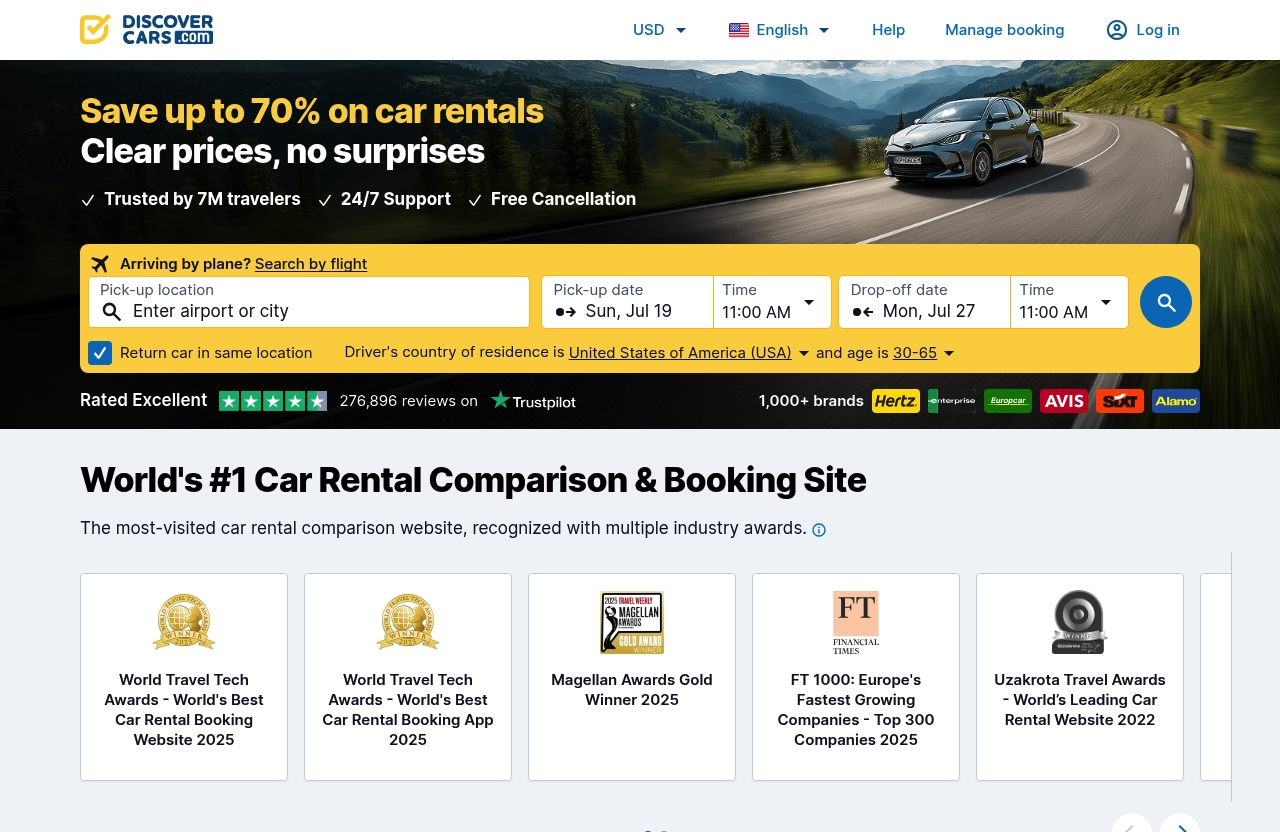
If you are comparing rental options for mainland Italy, a booking platform like DiscoverCars can help you review and book car rental options before your trip. DiscoverCars offers car rental booking, access to member-only deals, a “Manage booking” / “My Booking” area, and its homepage references “Free Cancellation” in the page title.
Just remember: DiscoverCars is not a ZTL-avoidance app. You still need to plan routes, check local rules, and avoid restricted historic centers.
When trains or city transfer parking may be smarter
For Rome, Florence, Venice, Milan, Naples, and many other dense cities, trains are often easier than driving. City centers are walkable, taxis are available, and public transport avoids the emotional cost of watching for every ZTL sign.
A smart itinerary might look like this:
| Trip Segment | Better Option |
|---|---|
| Rome city stay | Train/taxi/public transport |
| Florence historic center | Train or park outside |
| Tuscany countryside | Rental car |
| Venice historic stay | Train or park at edge |
| Dolomites road trip | Rental car |
This mixed approach lets you enjoy the freedom of driving without forcing a rental car into the places where italy ztl zones are most stressful.
How to choose pickup and drop-off locations to reduce ZTL risk
Pickup and drop-off location matters more than many travelers realize. A city-center rental office may look convenient on a map, but reaching it can involve one-way streets, bus lanes, restricted roads, and ZTL boundaries.
To reduce risk:
- Choose airport, train station, or outer-city locations when practical.
- Check whether the rental office is near a ZTL boundary.
- Ask the provider for the recommended return route.
- Photograph the car, fuel level, and return location signs.
- Avoid returning the car during rush hour if you are nervous.
If your route includes mainland Italy beyond the big cities, you can compare rental options through DiscoverCars and then choose pickup logistics with ZTL avoidance in mind. The goal is not just booking a car—it is booking a car that fits the safest version of your itinerary.
How to Handle ZTL Fines If You Receive One
Receiving a notice after your trip is frustrating, but do not ignore it. Italy ztl zones are enforced by municipalities, and rental car cases can involve both the city and the rental company.
Treat the notice like an official travel document: verify it carefully, keep records, and ask questions if something does not match your trip.
Check the issuing municipality and dates
Start by identifying the municipality that issued the fine. Make sure the city, date, and time line up with your itinerary.
Look for:
- City or municipality name
- Date and time of alleged violation
- Location or gate name
- Vehicle license plate
- Payment or appeal instructions
- Official contact details
Be cautious with scams, especially if you receive unexpected emails. Use official municipal websites or contact channels to verify payment instructions.
Confirm vehicle plate details and rental timelines
Compare the license plate on the notice with your rental agreement and photos. Confirm that the alleged violation happened during your rental period.
For a ztl rental car Italy issue, gather:
- Rental agreement
- Pickup and drop-off receipts
- Photos of the vehicle plate
- Hotel parking emails
- Garage receipts
- Any written access permission
If you had hotel-authorized ZTL access, contact the hotel and ask them to confirm whether your plate was registered correctly and on time.
When to contact the rental company or a local authority
Contact the rental company if the notice came through them, if you were charged an administrative fee, or if you need documentation about the rental period. Contact the municipality if you need to verify the violation, payment process, or appeal options.
I would avoid relying only on social media advice for official fines. Other travelers can share experiences, but italy ztl zones are governed locally, and details matter.
If the amount is significant or the situation is confusing, consider seeking qualified local advice. This guide is practical travel guidance, not legal advice.
Quick Pre-Drive Checklist for Italy City Centers
Use this checklist before driving near italy ztl zones. Save it on your phone, screenshot it, or copy it into your trip notes.
The goal is to make the right choice before you are surrounded by scooters, one-way streets, and a GPS voice telling you to turn now.
Before you leave the hotel
- Check whether today’s destination has a ZTL.
- Search for the official city ZTL map.
- Choose parking outside the restricted area.
- Put the parking garage—not the piazza—into your GPS.
- Confirm hotel access rules if staying inside a historic center.
- Photograph or save any written hotel parking instructions.
Before you enter a historic center
- Slow down and look for ZTL signs.
- Watch for camera gates and “Zona Traffico Limitato.”
- Do not follow taxis, buses, or local cars into restricted streets.
- Ignore GPS shortcuts that lead toward the old town.
- If confused, pull over legally before the center and reassess.
- When in doubt, stay out.
Before you park
- Confirm the parking garage is outside the ZTL or authorized for access.
- Keep the garage receipt.
- Photograph the parking location or save it in your map app.
- Ask the garage staff if your route entered a restricted zone.
- Do not drive closer “just to unload bags” unless access is confirmed.
Bottom line: italy ztl zones are manageable when you plan ahead. Park outside, check official sources, trust signs over apps, and treat historic centers as places to enjoy on foot—not places to test your rental car confidence.
Free cancellation on most bookings · No hidden fees
FAQ
Does Google Maps show ZTL in Italy?
Google Maps may show some ZTL information in Italy, but it does not reliably flag every restricted zone, gate, time window, or local exception. Do not depend on it alone for italy ztl zones.
The safest approach is to use Google Maps for general navigation, then cross-check with official city ZTL maps, hotel parking instructions, and road signs before entering a historic center.
What happens if you drive in a ZTL zone in Italy?
If you drive into a ZTL zone without authorization, a camera may record the license plate and generate an automatic fine. With rental cars, the notice may go to the rental company first, and you may also face a rental company handling fee depending on the contract.
Fines often arrive weeks or months later, so you may not know immediately. Always verify the issuing municipality, plate details, and rental dates before paying or responding.
How can we avoid ZTL zones in Italy?
The best way to avoid ZTL zones in Italy is to park outside the restricted area and walk, use public transport, or take a taxi into the center. Choose parking before you drive, not after you reach the old town.
Also check official ZTL maps, ask your hotel about permitted access, avoid center-city GPS shortcuts, and never assume that following another vehicle means you are allowed to enter.
What is the best app to avoid ZTL in Italy?
There is no single perfect app to avoid every ZTL in Italy. Navigation apps can help, but italy ztl zones change by city, street, date, and time, so app data may be incomplete or outdated.
The best strategy is layered: use a navigation app, cross-check official municipal ZTL maps, confirm parking or hotel access in writing, and follow posted signs at the road.
Related Reading
- Car Rental in Italy: The Complete 2026 Guide
- Italy Car Rental Insurance Explained for 2026
- Car Rental in Italy Airport: 2026 Guide