
If you are wondering whether driving in Croatia is easy, the short answer is yes on the main roads, but only if you understand the toll system, motorway etiquette, speed limits, headlights rules, and common tourist fines before you arrive. Croatia’s motorways are generally good, signage is clear on major routes, and a car can unlock beaches, hill towns, national parks, and island ferry connections that are awkward by bus.
The catch is that first-time visitors often underestimate toll roads, narrow village streets, summer traffic, parking restrictions, and stricter enforcement on speeding and mobile-phone use. This guide explains the practical side of driving in Croatia so you can travel confidently, safely, and without expensive surprises.
Free cancellation on most bookings · No hidden fees
Quick answer: is driving in Croatia worth it?
Yes, driving in Croatia is worth it if your trip includes more than one base, coastal stops, national parks, inland towns, or flexible beach-hopping. The main motorway network is modern and efficient, especially between Zagreb, Split, Zadar, Rijeka, and other major destinations.
It is less essential if you are staying only in Dubrovnik, Split, Zagreb, or another city where parking can be stressful and public transport, ferries, walking, or taxis may be easier. The best approach is to rent a car only for the days you actually need it.
Who should drive vs use buses/ferries
You should consider driving in Croatia if you like spontaneous stops, scenic detours, early starts, and visiting places that are not perfectly connected by public transport. A car is especially useful for families, photographers, hikers, and travelers carrying luggage between multiple destinations.
Buses and ferries can be better if your route is simple, city-based, or island-heavy. For example, if you are spending several days inside Dubrovnik’s old town, a rental car may sit unused while you pay for parking.
Use this quick comparison:
| Trip style | Best option | Why |
|---|---|---|
| Zagreb to Plitvice to Zadar or Split | Car | Flexible timing and easier luggage handling |
| Dubrovnik old town stay only | No car | Parking is limited and expensive |
| Split plus nearby beaches and villages | Car for selected days | Useful outside the city center |
| Island-hopping only | Ferries/catamarans | Cars can complicate ferry logistics |
| Istria road trip | Car | Small towns and wineries are easier to reach |
When renting a car makes the trip easier
A car makes the biggest difference when you want to leave early, stop often, or avoid matching your day to bus schedules. This is where driving in Croatia for the first time can feel surprisingly rewarding: you can visit a beach before crowds arrive, pause at a viewpoint, or take a slower road through a village.
Renting also helps if you are visiting Plitvice Lakes, Krka National Park, Istria, the Pelješac Peninsula, or smaller coastal towns. Just remember that the freedom comes with responsibilities: tolls, parking rules, deposits, insurance decisions, and local driving etiquette.
Best routes where a car adds the most value
Some routes are much easier by car than by public transport. The strongest examples include Zagreb to Plitvice Lakes, Split to Krka, Istria’s hill towns, Zadar to Paklenica, and the Makarska Riviera.
For many travelers, driving in Croatia is at its best outside the biggest city centers. The roads can be scenic, the distances manageable, and the flexibility valuable—especially if you build in extra time for traffic, toll booths, fuel stops, and photos.
How Croatia’s toll roads and motorways work
Croatia has a well-developed motorway network connecting many major regions. These highways are usually the fastest way to cover long distances, but most are tolled, so you should understand how Croatia toll roads work before your first journey.
When driving in Croatia on motorways, you will typically enter at a toll point, take a ticket or pass through a marked lane, then pay when you exit. The process is straightforward, but it can be stressful if you arrive at the booth without a payment method ready or accidentally choose the wrong lane.
Which roads are tolled
Most major motorways, often marked with an “A” road number, are tolled. These include key routes used by visitors traveling between Zagreb, Zadar, Split, Rijeka, and other major areas.
Local roads, city streets, and many regional roads are generally not tolled, though they are slower and may involve roundabouts, villages, sharp bends, and variable speed limits. If you want to avoid tolls, navigation apps can usually route you onto non-motorway roads, but that may add significant time.
How tolls are usually paid
The usual toll process is simple:
- Enter the motorway.
- Take a ticket if the system requires one.
- Keep the ticket somewhere safe.
- Drive to your exit.
- Present the ticket and pay the toll.
- Continue once the barrier opens.
If you lose the ticket, you may be charged differently or face delays while staff resolve the issue. Keep it with your payment card, not loose in the cup holder where it can disappear under a seat.
Cash, card, and ETC-style payment considerations
Toll booths generally accept common payment methods such as cash and cards, but you should always carry a backup. Card terminals can fail, your bank may block a transaction, or a smaller booth may create confusion if you are tired after a long drive.
Croatia also has electronic toll collection-style systems used by local drivers and frequent travelers. Most short-term visitors do not need to arrange this, but you should avoid entering lanes reserved for electronic payment unless your rental car is properly equipped and your rental agreement explains how charges are handled.
What travelers should know before entering the motorway
Before joining a motorway, check fuel, navigation, payment method, and your exit plan. Motorways are smooth and fast, so one of the classic mistakes when driving in Croatia is relaxing too much and missing an exit or continuing onto a tolled route you did not intend to use.
Also remember that service areas are not always as frequent as you may expect on every route. If your fuel tank is low or you need a break, stop earlier rather than gambling on the next station.
Driving in Croatia rules every tourist should know
The core Croatia motorway rules and road laws are not difficult, but tourists tend to make mistakes when they are tired, distracted, or unfamiliar with signs. Treat driving in Croatia for foreigners like driving anywhere new: slow down early, avoid phone use, and do not assume other drivers will behave exactly like those at home.
Rules can also change, and enforcement may vary by location. Before departure, check your rental company’s terms and the latest official travel guidance, especially if your route crosses borders.
Driving side of the road
In Croatia, you drive on the right side of the road and overtake on the left. The steering wheel in rental cars is on the left, which will feel familiar to drivers from the United States and much of mainland Europe.
If you are arriving from the UK, Ireland, Australia, or another left-driving country, take extra care at roundabouts, junctions, petrol stations, and quiet roads where muscle memory can take over.
Seat belts and passengers
Seat belts should be worn by all occupants, front and rear. Children must use appropriate restraints based on age, size, and local requirements, and rental companies can usually provide child seats if booked in advance.
Do not treat short beach runs or village drives casually. Police checks can happen anywhere, and proper restraints are also essential because local roads may include sudden bends, cyclists, pedestrians, and tight passing situations.
Mobile phone rules
Handheld mobile-phone use while driving is a common source of Croatia driving fines. Use a hands-free setup, mount your phone before moving, and set navigation while parked.
This is one area where I would not take chances. Even a quick glance at a message can be risky on unfamiliar roads, especially where lanes narrow, signs change quickly, or pedestrians step out near old-town areas.
Alcohol limits and why zero-guessing matters
Croatia has legal alcohol limits for drivers, but the safest travel advice is simple: if you are driving, do not drink. Limits can depend on driver category, age, and circumstances, and tourists can easily misjudge wine tastings, long lunches, or evening ferry returns.
If your itinerary includes wineries, beach bars, or late dinners, plan a taxi, private transfer, sober driver, or overnight stay. A holiday is not the place to test alcohol rules in a foreign legal system.
Right turns, roundabouts, and general priority
At roundabouts, traffic already inside usually has priority unless signs or markings indicate otherwise. On smaller roads, watch for priority signs, yield markings, and local drivers who know the junction better than you do.
Right turns at red lights are not something to assume unless clearly signed. When in doubt, wait, observe signs, and let local traffic flow guide you without copying risky behavior.
Speed limits in Croatia: the limits and the traps when driving in Croatia
Croatia speed limits are generally logical, but they change quickly between motorways, rural roads, villages, tunnels, and coastal bends. The biggest trap when driving in Croatia is carrying motorway speed habits onto local roads.
Always follow posted signs over general guidance. Roadworks, weather, tunnels, school zones, and village approaches can reduce limits suddenly.
Urban, rural, and motorway limits
As general travel guidance, typical Croatia speed limits are often around:
| Road type | Common limit | What to watch for |
|---|---|---|
| Built-up areas | 50 km/h | Pedestrians, crossings, parked cars |
| Roads outside towns | 90 km/h | Bends, tractors, cyclists, hidden junctions |
| Expressways | 110 km/h | Merging traffic and changing signs |
| Motorways | 130 km/h | Tolls, fast overtaking traffic, weather reductions |
These are common ranges, not a substitute for posted signs. If a sign says lower, the sign controls your driving.
Why local roads can feel slower than highways
Local and coastal roads can feel much slower than the map suggests. You may face buses, scooters, campervans, stone walls, hairpin turns, steep hills, or villages where the safe speed is below the legal maximum.
This is one reason driving in Croatia rewards flexible planning. A route that looks short on a map may take longer if it follows the coast, crosses a mountain road, or passes through busy resort towns in summer.
How speed cameras and police checks affect tourists
Speed cameras and police checks are real considerations. Tourists can also receive fines later through rental-car companies, sometimes with administrative handling fees depending on the rental agreement.
The safest habit is to drive slightly conservatively, especially near village entrances, tunnels, school zones, and roadworks. Do not rely only on what other drivers are doing; local drivers may know where checks usually happen, while visitors do not.
Free cancellation on most bookings · No hidden fees
Headlights, visibility, and seasonal driving conditions
Visibility matters more than many visitors expect. Croatia has bright coastal sun, shaded mountain roads, sudden rain, tunnels, sea glare, and winter conditions inland.
Understanding Croatia headlights rules is part of safe driving in Croatia, not just avoiding fines. If visibility drops, switch your lights on even if you are unsure whether they are legally required at that moment.
When headlights are expected
As general guidance, dipped headlights are commonly required during the winter period, and motorcycles should use lights year-round. Requirements may vary by vehicle type and season, so check the latest local rules before travel.
Many modern rental cars have automatic lights, but do not rely on them blindly. In tunnels, heavy rain, fog, or dusk, manually confirm that your lights are on and that rear lights are visible too.
Daytime visibility and winter driving
Winter driving can involve rain, low sun, fog, wet leaves, and occasional snow or ice inland and at higher elevations. Some routes may require winter equipment during certain periods or conditions.
If you are driving in Croatia outside the summer season, ask your rental company about tires, snow chains if relevant, and roadside assistance procedures. It is better to clarify these details at the counter than during a cold evening on a mountain road.
Rain, mountain roads, and coastal bends
Rain can make stone streets, painted lines, and coastal bends slippery. Mountain roads can also change quickly from dry to foggy, and coastal routes may tempt you to look at the view instead of the lane.
Pull over safely for photos. Croatia is beautiful from behind the wheel, but the driver’s job is to watch the road, not the scenery.
Motorway etiquette and on-road behavior
Croatia road etiquette is similar to much of continental Europe: keep right, pass left, and do not linger in the overtaking lane. On motorways, faster vehicles may approach quickly from behind, so lane discipline matters.
Good manners make driving in Croatia calmer. Signal clearly, leave space, avoid sudden braking for viewpoints, and do not race local drivers who seem impatient.
Overtaking etiquette
Overtake only when it is legal, visible, and necessary. On motorways, use the left lane to pass, then return to the right lane once safely clear.
On rural roads, be patient behind buses, tractors, cyclists, or slow campervans. A risky overtake on a bend can turn a scenic road trip into a serious incident.
Lane discipline
Stay in the right lane unless overtaking. The left lane is not a cruising lane, even if you are traveling at the speed limit.
If traffic builds behind you, check your mirrors and move right when safe. This simple habit prevents frustration and reduces the chance of tailgating.
Tailgating and aggressive passing
You may encounter drivers who follow too closely or pass assertively. Do not respond emotionally, speed up, or block them.
Maintain your speed, leave a safe gap ahead, and let aggressive drivers go when possible. Defensive driving is especially important when driving in Croatia on unfamiliar roads.
Fuel stops, rest areas, and planning breaks
Plan fuel and rest stops before you are desperate. Motorway service areas are convenient, but on scenic local routes, stations may be less frequent or have shorter hours.
For long summer drives, build in time for queues, heat, and fatigue. A ten-minute break can make a big difference before entering a busy town or narrow coastal road.
The most common fines travelers run into
Most Croatia driving fines are avoidable. They usually come from ordinary tourist mistakes: speeding, phone use, missed parking signs, seat belt issues, toll confusion, or incomplete documents.
When driving in Croatia, assume enforcement can happen even if the road feels quiet. Rental cars are not invisible, and fines may follow you through the rental company.
Speeding
Speeding is probably the most common tourist mistake. It happens when drivers leave the motorway, enter a village, miss a lower sign, or follow local traffic too closely.
How to avoid it:
- Watch village entry signs.
- Slow down before bends and tunnels.
- Use navigation as a reminder, not as the authority.
- Follow posted signs over app estimates.
- Leave earlier so you are not rushing.
Phone use
Using a handheld phone while driving can lead to fines and, more importantly, dangerous distraction. This includes texting, holding the phone for navigation, or answering calls without hands-free equipment.
Set your route before moving. If plans change, pull into a safe parking area rather than adjusting maps at a junction.
Seat belt violations
Seat belt violations are easy to avoid but still happen on short local trips. Everyone in the car should buckle up before the vehicle moves.
If traveling with children, reserve the correct child seat when booking your car rental in Croatia. Confirm the seat is installed properly before leaving the pickup location.
Improper parking
Parking is one of the biggest hassles in old towns, beach areas, and ferry ports. Blue zones, resident-only areas, paid lots, time limits, and tow-away areas can confuse visitors.
Do not assume an empty space is legal. Look for signs, payment machines, app instructions, painted lines, and local restrictions before walking away.
Toll-payment mistakes
Toll-payment mistakes are usually caused by entering the wrong lane, losing a ticket, not having a backup card, or misunderstanding electronic toll lanes. These errors can create delays or additional costs.
Before driving in Croatia on a motorway, keep cash or a working card accessible. If in doubt at a toll plaza, choose a staffed lane rather than a lane reserved for a system you do not have.
Document issues and rental-car headaches
Document problems can include missing passports, driver’s licenses, credit cards for deposits, rental agreements, cross-border permissions, or insurance documents. If police stop you, you need to be able to show the required paperwork.
Rental headaches often come from unclear deposit rules, damage disputes, border restrictions, or drivers not listed on the contract. Read the terms before booking and inspect the car carefully at pickup.
Renting a car for Croatia: what to check before you book
A good rental can make driving in Croatia smooth; a poorly understood rental can make it stressful. Before booking, compare pickup locations, transmission type, deposit requirements, insurance options, mileage terms, border rules, ferry rules, and cancellation flexibility.
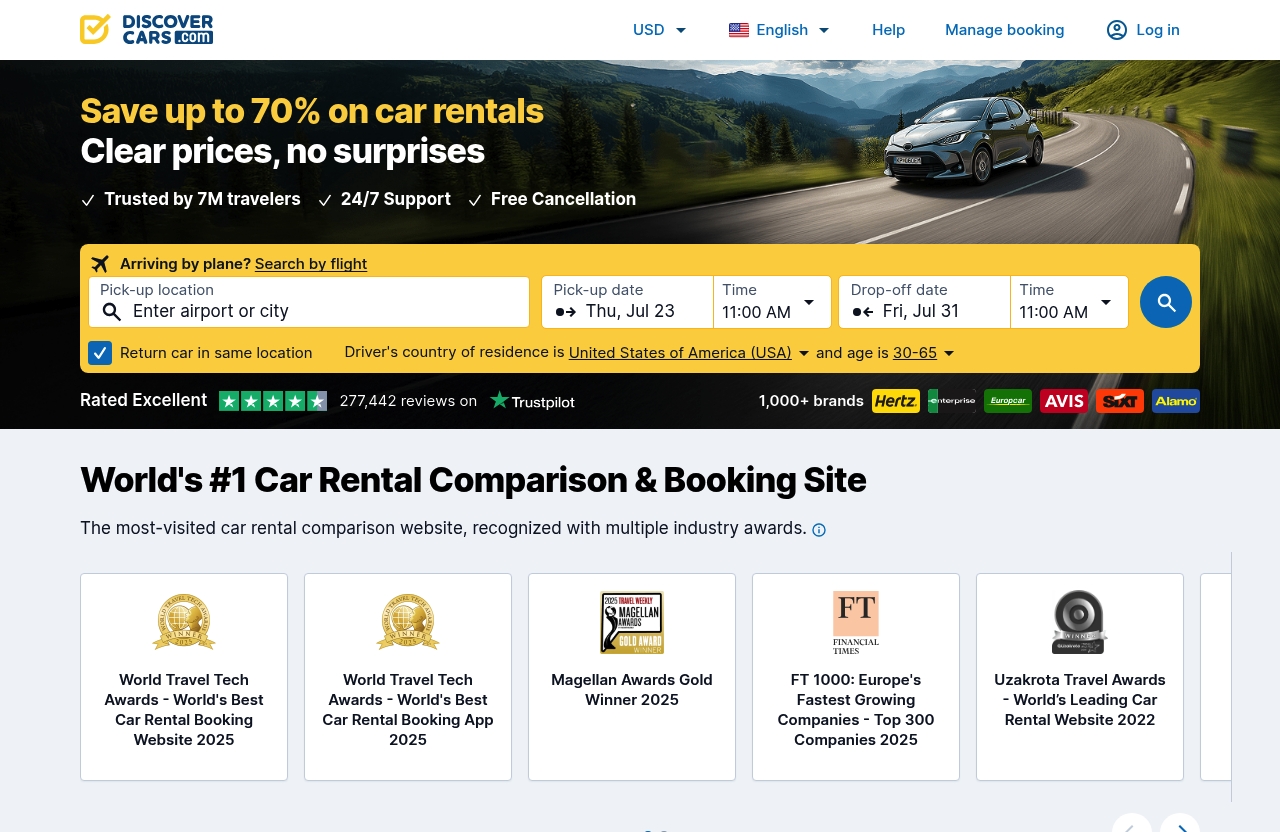
For comparing options, I like using a marketplace approach because it lets you see multiple suppliers in one place. Discover Cars is useful for this because its official homepage highlights clear prices, free cancellation, 24/7 support, flexible pickup and drop-off date and time selection, and search by airport or pickup location.
Why booking in advance helps
Booking early usually gives you more choice, especially in summer, when automatic cars, larger vehicles, and convenient airport pickups can sell out. It also gives you time to read the terms instead of making a rushed decision at the counter.
Discover Cars’ homepage states “Save up to 70% on car rentals,” “Clear prices, no surprises,” “Trusted by 7M travelers,” “24/7 Support,” and “Free Cancellation.” Those are helpful comparison features, but you should still read the individual supplier terms carefully before confirming.
Automatic vs manual
Manual cars are common in Croatia and often more available. If you can only drive automatic, filter for automatic transmission and book early.
Do not assume you can switch at the counter. In peak season, the rental desk may not have a suitable alternative, and driving in Croatia is not the time to learn manual on hilly streets or tight parking ramps.
Insurance and deposit basics
Insurance and deposits are where many travelers get confused. Your rental may include basic coverage, but excess amounts, deposits, exclusions, tires, glass, underbody damage, ferry travel, and cross-border use can vary by supplier.
Before booking, check:
- Deposit amount and accepted card type
- Whether a credit card is required
- Excess/deductible amount
- Included and excluded damage
- Additional driver fees
- Young driver conditions
- Cross-border and ferry permissions
- Roadside assistance process
Take photos and video at pickup and drop-off. Include wheels, mirrors, bumpers, windshield, roof, fuel level, mileage, and existing scratches.
Airport pickup vs city pickup
Airport pickup is convenient if you are starting a road trip immediately. It avoids dragging luggage into the city and usually gives you wider rental availability.
City pickup can be better if you are spending the first few days in Zagreb, Split, or Dubrovnik without needing a car. In that case, rent only when you are ready to leave the city and avoid paying for unused parking days.
Best driving tips for first-time visitors
The best advice for driving in Croatia is to prepare before you are tired, lost, or blocking traffic. Download maps, understand tolls, confirm your rental documents, and plan parking before reaching old towns.
Travelers often read “driving in Croatia reddit” threads for real-world experiences, which can be useful for practical surprises. Just balance forum advice with official rules, rental terms, and current local guidance.
What to download before you go
Download offline maps before departure, especially if you plan to drive through mountains, islands, or rural areas. Mobile signal is usually fine on major routes, but offline navigation is a good backup.
Useful downloads include:
- Offline Google Maps or another navigation app
- Your rental confirmation
- Travel insurance documents
- Ferry schedules if relevant
- Parking apps used in your destination
- Screenshots of accommodation parking instructions
Cash vs card backups
Cards are widely useful, but carry some cash for tolls, parking, small fuel stations, or unexpected situations. Keep coins or small notes handy rather than buried in your luggage.
For driving in Croatia, I would travel with at least two payment methods: a main card and a backup card or cash. This is especially helpful at toll booths, parking machines, and fuel stations.
Border-crossing and cross-country planning
Croatia is often part of a wider Balkans or Central Europe trip, but rental cars do not automatically come with permission to cross borders. If you plan to visit Slovenia, Bosnia and Herzegovina, Montenegro, Hungary, Serbia, or another country, confirm this before booking.
Check whether the supplier allows cross-border travel, whether extra documents or fees apply, and whether insurance coverage changes. Never assume that because a border is nearby, your rental agreement allows you to cross it.
Parking and old-town access
Historic centers are often difficult or impossible to access by car. Streets can be narrow, pedestrianized, one-way, restricted to residents, or unsuitable for nervous drivers.
Before arrival, search for your accommodation’s parking instructions and identify a legal paid lot nearby. In places like Dubrovnik, Split, Rovinj, Zadar, and other old towns, parking planning can save more stress than any driving tip.
Free cancellation on most bookings · No hidden fees
FAQ
Is driving in Croatia easy for tourists?
Yes, driving in Croatia is generally easy for tourists on major roads and motorways. Roads are usually well maintained on popular routes, signs are understandable, and the motorway system is straightforward once you know how tolls work.
The harder parts are narrow local roads, summer congestion, parking in historic centers, sudden speed-limit changes, and avoiding phone use while navigating. Drive defensively and give yourself extra time.
Is it worth hiring a car in Croatia?
It is worth hiring a car if you want flexible access to beaches, national parks, inland villages, wineries, viewpoints, or a multi-stop itinerary. A car is especially helpful in Istria, around Plitvice and Krka, and along coastal routes with small stops.
It is less necessary if you are mainly staying in one city or relying on ferries and buses. For many travelers, the best solution is car rental in Croatia for only part of the trip.
Can I drive in Croatia with an American license?
Many American visitors can drive in Croatia with a valid U.S. driver’s license for short tourist trips, but requirements can depend on current rules, rental-company policy, license format, and travel duration. Some rental companies may recommend or require an International Driving Permit, even when local rules are flexible.
Before driving in Croatia, check official travel guidance and your rental supplier’s terms. Bring your passport, license, rental agreement, and any required permit or supporting documents.
What I wish I knew before going to Croatia?
The biggest surprises are toll roads, narrow village streets, parking restrictions near old towns, speed enforcement, and how much slower scenic coastal roads can be than motorways. Many first-time visitors also underestimate the importance of headlights, weather changes, and planning fuel stops.
If you prepare for tolls, book the right rental car, avoid rushing, and respect local road etiquette, driving in Croatia can be one of the best ways to see the country in 2026.