
Greece car rental insurance can feel confusing the first time you rent in Athens, Thessaloniki, Crete, Santorini, Rhodes, or the smaller islands. The short version: most rentals include basic protection, but you may still be responsible for an excess, also called a deductible, and many policies exclude tires, glass, undercarriage, roof damage, keys, and some ferry-related issues.
If you are comparing cars for a 2026 trip, the smart move is not automatically buying every add-on. It is understanding what the included cover actually does, what your personal risk is, and whether extra protection is worth the cost for your route.
Free cancellation on most bookings · No hidden fees
Quick answer: what Greece car rental insurance does and doesn’t cover in 2026
Greece car rental insurance usually includes basic collision damage waiver, theft protection, and third-party liability, but the details vary by supplier. That means one rental may include a manageable excess, while another may leave you with a large car rental deductible Greece travelers only notice at the counter.
The main thing to know is that “included insurance” does not always mean you can walk away from every scratch or incident without paying. Basic cover often reduces your liability, but it may not remove it.
The basic protection most rentals include
Most Greece rentals include some form of Collision Damage Waiver, often called CDW. In plain English, CDW limits how much you pay if the rental car is damaged, as long as you follow the rental agreement.
A typical CDW Greece car rental policy applies to bodywork damage after a covered collision. It usually does not cover every part of the vehicle, and it normally comes with a Greece car rental excess that you remain responsible for.
You will also usually see theft protection Greece rental car coverage listed in the rate. This reduces your liability if the car is stolen, but it may not apply if you leave keys inside, fail to file a police report, or break the contract terms.
Why ‘full coverage’ is often not truly full
The phrase full coverage car rental Greece sounds simple, but it can mean different things depending on where you buy it. Some suppliers use “full” to mean reduced excess only. Others may include tires, windshield, mirrors, roof, or undercarriage, but only if stated clearly.
This is where Greece car rental insurance gets tricky. A traveler may think they bought full protection, then later discover Greece rental car tire coverage or Greece rental car windshield coverage was excluded.
Always read the inclusions and exclusions before booking. If a policy does not specifically say that tires, glass, undercarriage, roof, and wheels are covered, assume they may not be.
The fastest way to avoid overpaying or underinsuring
Use this quick decision framework before booking:
| Your situation | Basic coverage may be enough if… | Extra coverage may be worth it if… |
|---|---|---|
| City rental | You drive short distances and accept the excess | You are parking in tight streets or unfamiliar areas |
| Island road trip | Roads are paved and your excess is low | You will drive narrow lanes, rural roads, or beach access routes |
| Mountain driving | You are confident and routes are simple | You will drive long distances on winding roads |
| US traveler | Your credit card clearly covers Greece rentals | Your card excludes Greece, tires, glass, or high excess claims |
| Low-stress trip | You are comfortable leaving a deposit | You want fewer surprises at pickup and return |
A comparison site can help you line up the basic terms before you choose. For example, you can compare Greece rental offers on Discovercars, then open the supplier terms to check the excess, deposit, and exclusions before booking.
How Greece car rental insurance works in Greece
Greece car rental insurance is built around a few common layers: CDW, theft protection, third-party liability, and optional excess-reduction products. The wording can differ between international brands, local agencies, and brokers, but the logic is similar.
The rental rate includes certain protections. Optional products either reduce your financial responsibility or reimburse you later, depending on who sells the cover.
CDW explained for Greece car rental insurance
CDW stands for Collision Damage Waiver. It is not exactly the same as personal auto insurance in the US. Instead, it is a waiver from the rental company that limits your responsibility for damage to the rental car.
For example, if the car is damaged in a covered incident, CDW may cap your liability at the excess amount. If your excess is high, you could still face a meaningful charge.
CDW normally has conditions. Driving off-road, driving under the influence, using the wrong fuel, violating ferry restrictions, or failing to report an accident can void the protection.
Excess/deductible explained
The excess is the amount you may have to pay before the rental company’s protection takes over. Americans may recognize this as similar to a deductible.
If your Greece car rental excess is €900, that means you could be charged up to €900 for covered damage, depending on the claim. The exact amount varies by car category, supplier, location, and insurance package.
This is one of the most important numbers to check. The headline daily rental price can look attractive, but a high excess can change the risk calculation.
Theft protection vs. theft exclusion
Theft protection Greece rental car coverage usually limits what you owe if the car is stolen. However, theft protection may not cover negligence.
Common problems include leaving the car unlocked, leaving the keys inside, failing to return the keys, or parking against local rules. If the rental company believes the theft resulted from a contract violation, coverage may be denied.
Also check whether theft protection covers personal belongings. In most cases, rental car theft protection applies to the vehicle, not your luggage, camera, laptop, or passport.
Third-party liability and why it matters
Third-party liability covers injury or damage you cause to other people, vehicles, or property. This is usually required and included in legal rental arrangements, but limits and conditions still matter.
For travelers, third-party liability is separate from CDW. CDW concerns damage to your rental car, while third-party liability concerns others.
When comparing Greece car rental insurance, do not confuse these two. You want to know both what happens if your car is damaged and what happens if another vehicle or property is involved.
What is usually covered by basic Greece car rental insurance
Basic rental protection in Greece usually covers the big categories: collision damage, theft, fire, and third-party liability. But “usually” is the key word. Supplier terms control the final answer.
Before you book, open the terms and conditions for the exact car and company. Do the same again at pickup, because the rental contract you sign is the document that will matter if there is a dispute.
Collision damage
Basic CDW generally applies to damage from a collision or accident involving the rental vehicle. If the incident is covered, your responsibility is typically limited to the excess.
However, collision damage does not automatically include all parts of the car. Many basic policies focus on the main body panels and exclude tires, glass, wheels, roof, and undercarriage.
This matters in Greece because roads can be narrow, curbs can be high, and parking areas are often tight. A small scrape on a bumper may be treated differently from damage to a tire or underside.
Fire and theft protection
Many rental rates include some protection for fire and theft. This reduces your liability if the car is stolen or damaged by fire, subject to the rental terms.
Again, conditions apply. You may need to file a police report, contact the rental company immediately, and return the keys.
If you are visiting islands or leaving the car in port areas, read the theft and parking conditions carefully. Greece car rental insurance can be helpful, but it is not a replacement for basic precautions.
Third-party liability
Third-party liability is the part that protects against claims from other people for injury or property damage. It is usually part of the legal rental package.
This does not mean every possible situation is covered. If you break the rental agreement, drive on prohibited roads, or let an unauthorized driver use the car, protection may be limited or void.
Always add every driver to the contract. If an unlisted friend or family member drives and something happens, you may have a serious coverage problem.
When a credit card or travel policy may overlap
Some credit cards and travel insurance policies provide rental car coverage abroad. This can sometimes reimburse your excess or cover damage categories not fully covered by the rental company.
US travelers need to be especially careful. Many domestic auto policies do not automatically apply in Greece, and credit card benefits vary by card issuer, country, vehicle type, rental length, and claim process.
Before relying on a card, call the issuer and ask specifically about Greece car rental insurance, CDW, theft, tires, windshield, undercarriage, roof, loss-of-use fees, administrative fees, and whether the coverage is primary or secondary.
Common exclusions that surprise travelers
The biggest frustration with Greece car rental insurance is not the main coverage. It is the exclusions. Many travelers only discover them after a small incident.
Greece is a wonderful place to drive, especially for beaches, villages, monasteries, wineries, and mountain viewpoints. But the same routes that make a car useful can also create risks that basic coverage may not handle.
Tires and wheel covers
Tires are one of the most common exclusions. Basic CDW often does not cover punctures, sidewall damage, wheel rims, hubcaps, or wheel covers.
This is important on islands where roads to beaches may include gravel shoulders, broken pavement, steep driveways, or sharp stones. Even if you never go “off-road,” you may still encounter rough surfaces.
If your itinerary includes Crete mountain villages, Naxos beaches, Milos coastal roads, or rural Peloponnese routes, check Greece rental car tire coverage carefully. A tire issue can be minor mechanically but annoying financially if excluded.
Windshield and glass
Glass is another frequent gap. Greece rental car windshield coverage may not be included in basic CDW unless the contract says so.
A windshield chip can happen on highways, rural roads, or behind trucks. Side windows and rear glass may also be treated separately from body damage.
If you are offered an upgrade, ask whether it covers windshield, windows, mirrors, and lights. Do not assume “damage waiver” means all glass is included.
Undercarriage and roof
Undercarriage damage is often excluded from basic protection. This includes the underside of the car, oil pan, exhaust, suspension components, and other lower parts.
Roof damage is also commonly excluded. That may sound irrelevant until you think about low branches, parking garages, ferry ramps, and loading mistakes.
In Greece, undercarriage exclusions matter because some roads have steep transitions, uneven paving, and sudden dips. Take extra care when entering beach parking areas, old village lanes, and ferry ramps.
Keys, mirrors, and interior damage
Lost keys, broken remote fobs, damaged mirrors, and interior stains often sit outside standard CDW. Even a small issue can be expensive if the supplier charges replacement, towing, or administrative fees.
Mirrors are especially vulnerable in narrow village streets. Cars may be parked tightly on both sides, and local drivers often pass with very little space.
Interior damage can include burns, torn seats, excessive sand, pet damage, or cleaning fees. Basic Greece car rental insurance usually does not protect you from every interior-related charge.
Misfueling, lost keys, and parking damage
Misfueling is usually excluded. If you put petrol in a diesel car or diesel in a petrol car, the cost can include draining the tank, mechanical inspection, towing, and downtime.
Parking damage can be complicated. If another driver hits your parked car and leaves, you may still need a police report and supplier notification to preserve coverage.
Lost keys are another common surprise. The cost may include a replacement key, delivery fee, immobilizer programming, and lost rental time.
Free cancellation on most bookings · No hidden fees
When extra insurance is worth it in Greece
Extra Greece car rental insurance is not automatically necessary for everyone. It is a risk-management decision.
Think about three things: your route, your excess, and your tolerance for hassle. The more uncertainty you have in those areas, the more valuable extra protection may become.
Island roads and narrow village streets
Extra insurance is often worth considering for island trips. Many Greek islands have narrow lanes, blind corners, steep roads, tight parking, and stone walls close to the road.
Even confident drivers can pick up small scrapes in places like Santorini, Mykonos, Paros, Naxos, Zakynthos, Kefalonia, and Crete. The same is true in old town areas where streets were not designed for modern rental cars.
If you are asking, “do i need extra insurance in greece?” and your plan includes island driving, the answer is often “maybe, depending on exclusions and excess.” Tires, glass, and undercarriage matter more on these routes.
Long road trips and unfamiliar mountain routes
Mainland Greece is excellent for road trips, but distances and terrain add exposure. Routes through Meteora, Epirus, the Peloponnese, Mount Olympus areas, and mountain villages can involve winding roads and sudden weather changes.
The longer you have the car, the more chances there are for a parking scrape, stone chip, puncture, or minor incident. This does not mean driving in Greece is unsafe. It means the value of extra cover rises with trip length and complexity.
If you are driving daily for a week or more, compare the greece car rental insurance cost against the excess you could owe. Sometimes paying more upfront is worth it for peace of mind.
If your excess is too high
A high excess is the clearest reason to consider extra protection. If the deposit or deductible would seriously disrupt your trip budget, reducing that risk makes sense.
Look at the excess amount before you book, not only at the daily rental rate. A low rental price with a large excess may be less attractive than a slightly higher rate with better protection.
Ask yourself: “Would I be comfortable if this amount were temporarily blocked on my card or charged after damage?” If the answer is no, upgrade or choose another offer.
If you want zero-deposit or lower-stress pickup
Some travelers value a smoother counter experience. Extra coverage may reduce deposit pressure, although this depends on the supplier and product.
Do not assume every full damage waiver removes the deposit completely. Some companies still hold a deposit for fuel, fines, tolls, keys, or uncovered damage.
If lower-stress pickup is your goal, confirm the deposit, excess, and exclusions in writing. Greece car rental insurance terms vary too much to rely on the label alone.
When you should skip extras
You may not need extra coverage if the included excess is low, your route is simple, and you have verified strong credit card or travel insurance protection. You might also skip extras if you are renting for a short, low-risk city-to-hotel transfer.
Skipping extras can be reasonable when you understand the tradeoff. It is less wise when you are relying on assumptions.
The best car rental insurance greece option is not always the most expensive package. It is the one that fits your route, budget, coverage gaps, and comfort level.
CDW, SCDW, and full damage waiver: what the labels mean
Insurance labels can make Greece car rental insurance look more complicated than it needs to be. Focus less on the name and more on what you still owe after damage.
The same term can mean different things between suppliers. Always read the coverage table and exclusions.
CDW and the excess you still pay
CDW is the basic collision damage waiver. It limits your liability for covered damage but usually leaves an excess.
For example, if the car has covered body damage and your excess is €800, your maximum responsibility for that covered category may be €800. If the damage is excluded, the CDW may not help.
This is why CDW Greece car rental details matter. The label alone does not tell you whether tires, glass, roof, and undercarriage are protected.
SCDW or reduced excess
SCDW usually means Super Collision Damage Waiver. It often reduces the excess, sometimes significantly, but may still leave exclusions.
SCDW can be useful if you want to reduce the amount at risk without buying the highest level of cover. It may also reduce the deposit, depending on supplier rules.
Before paying for SCDW, ask exactly what changes. Does it reduce the excess only? Does it add tire and windshield cover? Does it cover mirrors, wheels, roof, and undercarriage?
FDW / zero-excess products
FDW can mean Full Damage Waiver or a similar zero-excess product. In many cases, it aims to reduce your excess to zero for covered damage.
The key phrase is “covered damage.” Even zero-excess products can exclude negligence, off-road driving, lost keys, misfueling, interior damage, and unauthorized drivers.
If you want full coverage car rental Greece protection, check whether the policy is truly broad or just removes the excess for standard bodywork claims.
Why naming differs by supplier
Rental companies, brokers, and insurers use different terms because their products are structured differently. One company’s “premium cover” may be another company’s “super waiver.”
The supplier may sell a waiver that prevents charges at the counter for covered damage. A third-party policy may require you to pay the rental company first and claim reimbursement later.
Neither model is automatically wrong. But with Greece car rental insurance, the process matters: know whether you are avoiding charges upfront or seeking reimbursement after the fact.
How to check a rental offer before you book
A good rental decision starts before you arrive in Greece. Do not wait until the counter to understand the insurance.
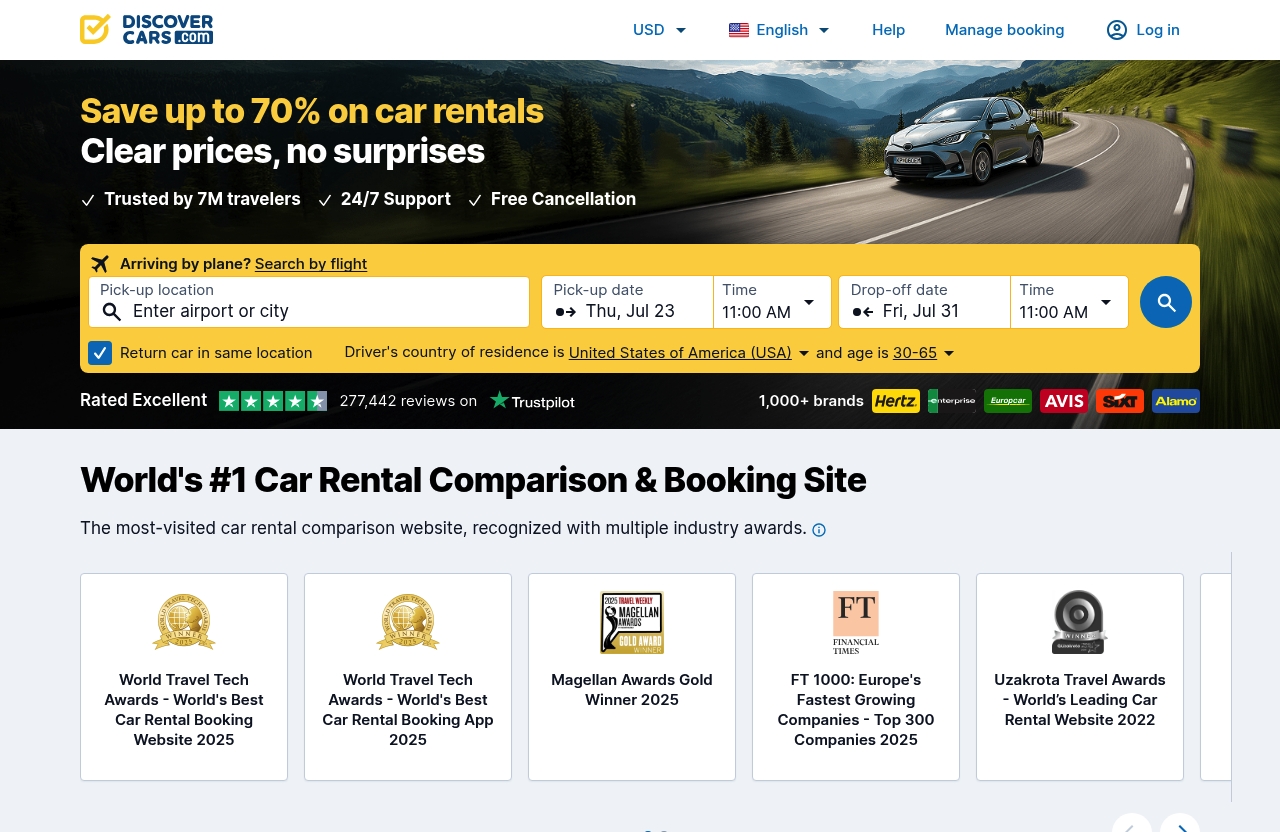
When comparing on a booking platform, open the details for each offer. DiscoverCars, for example, is useful for comparing rental options, and its homepage emphasizes “Best Car Rental Deals with Free Cancellation, Compare & Save!” It also notes that users can manage bookings in one place and access member-only deals, but the actual coverage still depends on the supplier’s contract.
Read the inclusions list, not just the headline price
The cheapest-looking rate may not be the best fit if the excess is high or key protections are missing. Read the inclusions line by line.
Look for CDW, theft protection, third-party liability, mileage rules, deposit requirements, and fuel policy. Also check whether cross-island or ferry use is allowed.
Greece car rental insurance should never be evaluated from the headline price alone. The coverage terms are part of the price.
Verify the excess amount
Find the exact excess for collision and theft. Sometimes they are different amounts.
Also check whether the excess varies by car class. A small economy car may have a lower excess than an SUV, automatic, convertible, or van.
If the greece car rental excess feels too high, compare another supplier or consider an excess-reduction product.
Check the damage exclusions
Open the exclusions section and look for the items most likely to cause disputes. These include tires, wheels, glass, windshield, mirrors, roof, undercarriage, interior, keys, and towing.
Also check behavioral exclusions. These often include off-road driving, alcohol or drug use, unauthorized drivers, racing, negligence, wrong fuel, and failure to report incidents.
A strong policy is not just about what it covers. It is also about how clearly it explains what it does not cover.
Confirm whether tires and windshield are covered
For Greece, I would always check tires and windshield separately. These are two of the most practical add-ons for island and rural driving.
Ask directly: “Are tires, wheels, windshield, glass, and undercarriage covered?” If the answer is verbal, try to find it in the written terms.
Greece rental car tire coverage and Greece rental car windshield coverage are especially important if you plan to explore beaches, mountain villages, or lesser-traveled roads.
Take photos at pickup and return
Insurance helps, but documentation prevents arguments. Take photos and videos before you drive away and again when you return the car.
Capture all sides, bumpers, wheels, windshield, roof, mirrors, interior, fuel level, mileage, and any warning lights. Photograph existing scratches close-up and from farther away for context.
This habit is one of the easiest ways to protect yourself, regardless of which Greece car rental insurance package you choose.
Best practices at pickup and during the rental
The pickup counter is where many travelers feel rushed. Slow down. A careful five-minute inspection can save hours of stress later.
Do not sign the condition report until existing damage is marked. If the staff says a scratch is “too small to matter,” politely ask them to note it anyway.
Inspect the car thoroughly
Walk around the car in daylight if possible. If pickup is at night, use your phone flashlight and take extra photos.
Check bumpers, doors, wheel arches, rims, hubcaps, mirrors, windshield, headlights, taillights, roof, and undercarriage edges. Look inside for seat stains, burns, broken handles, and missing equipment.
Make sure the spare tire, tire kit, warning triangle, and any required safety items are present if listed in the contract.
Document pre-existing damage
Photos are helpful, but a written record is better. Ask the agent to mark damage on the rental form or digital checkout report.
Take a photo of the signed damage report before leaving. If the rental company uses an app, make sure you receive confirmation.
This is practical Greece car rental insurance behavior: reduce the chance of being blamed for damage you did not cause.
Ask about local road restrictions
Some suppliers restrict driving on unpaved roads, beaches, or certain mountain tracks. Ferry travel may also require permission or extra documentation.
This matters in Greece because ferries are common for island hopping. Do not assume you can take a rental car between islands without approval.
Ask: “Can I take this car on a ferry?” and “Are any roads prohibited?” If ferry damage or recovery is excluded, consider whether your itinerary needs changing.
What to do after a small incident
If something happens, contact the rental company immediately. Follow their instructions, even for a small scrape or windshield chip.
For accidents involving another vehicle, injury, theft, vandalism, or significant damage, you may need a police report. Without proper reporting, coverage can be limited or denied.
Do not repair the car yourself unless the rental company authorizes it in writing. Keep receipts, photos, police documents, and all messages.
Should you buy insurance through Discovercars or the rental desk?
There are two common places to add protection: during online booking or at the rental desk. Both can be valid, but they may work differently.
The right choice depends on whether you prefer comparison and planning in advance, or direct coverage from the rental supplier at pickup.
Why comparison sites can be convenient
Comparison sites help you review multiple suppliers, car categories, deposits, fuel policies, and coverage terms in one place. That can be useful when you are trying to compare Greece car rental insurance before the trip rather than under pressure at the counter.
You can browse Greece rental options through Discovercars and then check each supplier’s terms before choosing. The site’s verified homepage messaging highlights free cancellation and comparison, and it also offers a Manage booking page and Help center.
Just remember that comparison convenience does not replace reading the rental contract. The supplier’s terms decide what happens at pickup and after an incident.
Why the rental contract still matters
The rental contract is the document you sign with the supplier. It controls deposits, authorized drivers, road restrictions, reporting requirements, and local exclusions.
If you buy third-party protection, the rental company may still place a deposit hold on your card. If damage occurs, you may have to pay the supplier first and then submit a claim to the protection provider.
If you buy directly from the rental desk, covered charges may be waived by the supplier, but the price and terms are set locally. Read before signing either way.
What to verify before adding any coverage
Before adding any coverage, verify these points:
| Question to ask | Why it matters |
|---|---|
| What is the excess after this coverage? | Shows your remaining financial risk |
| Are tires and windshield covered? | Common Greece exclusions |
| Is undercarriage or roof damage covered? | Important for ferries, steep roads, and low-clearance areas |
| Is ferry travel allowed? | Essential for island itineraries |
| Are unauthorized roads excluded? | Rural and beach roads may be restricted |
| Do I pay first and claim later? | Affects cash flow after an incident |
| Is the deposit reduced? | Helps avoid pickup surprises |
The best approach is to compare first, then decide. Greece car rental insurance is not just a checkbox; it is part of choosing the right rental for your actual trip.
Free cancellation on most bookings · No hidden fees
FAQ
Do I need extra insurance when renting a car in Greece?
Not always, because basic coverage is often included. However, extra insurance may be worth it if your excess is high, your route includes islands or mountain roads, or you want less financial uncertainty.
If you will drive on narrow village streets, park in tight areas, or take longer road trips, review tire, glass, and undercarriage exclusions carefully. Greece car rental insurance is most useful when it matches the real risks of your itinerary.
Does my US car insurance cover me in Greece?
Usually, you should not assume it does. Many US personal auto insurance policies do not automatically extend to Greece or other overseas rentals.
Call your insurer before traveling and ask specifically about rental cars in Greece. Also check your credit card benefits directly with the card issuer, because policies vary by country, vehicle type, rental length, and excluded damage categories.
Is it worth getting extra insurance on a rental car?
It can be worth it if the deductible or excess is large, if excluded damage would be expensive, or if you prefer a lower-stress trip. The tradeoff is paying more upfront to reduce the chance of surprise charges later.
If your included excess is low and you already have verified credit card or travel insurance coverage, you may decide to skip extras. The key is comparing the greece car rental insurance cost with the amount you could realistically owe.
Do I need extra insurance when renting a car abroad?
It depends on the country, rental supplier, included protection, exclusions, and any coverage you already have through a credit card or travel insurance policy. Abroad, you should always confirm coverage in writing rather than relying on assumptions from your home country.
For Greece in 2026, basic coverage may be enough for simple trips with a low excess. But if your itinerary includes islands, ferries, rural roads, or a high deposit, upgrading Greece car rental insurance can be a sensible way to reduce risk and travel with more confidence.
Related Reading
- Car Rental in Greece for Americans: 2026 Booking Guide
- Driving in Greek Islands: Essential Tips for 2026
- Athens Airport Car Rental: Complete Pickup Guide